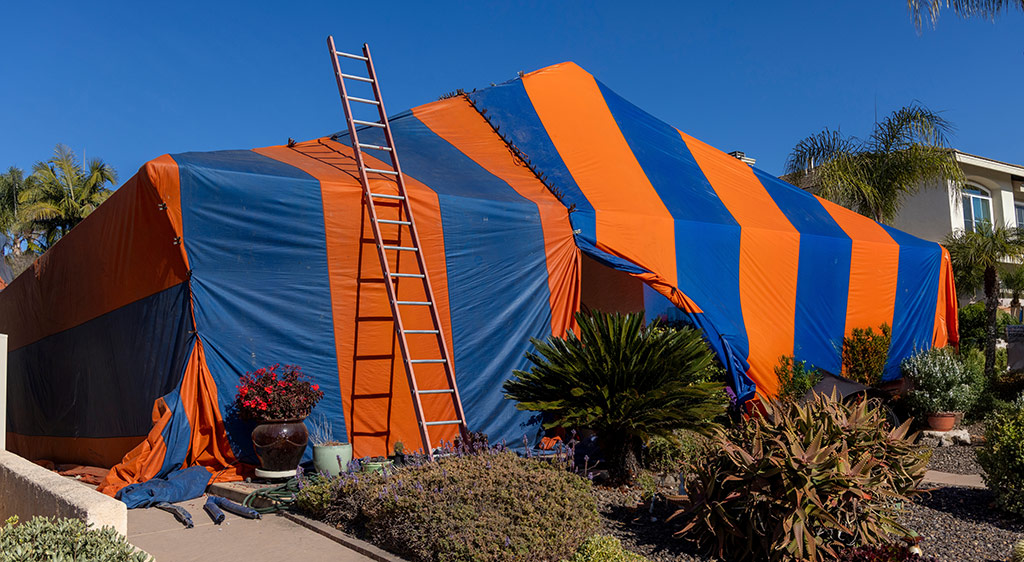
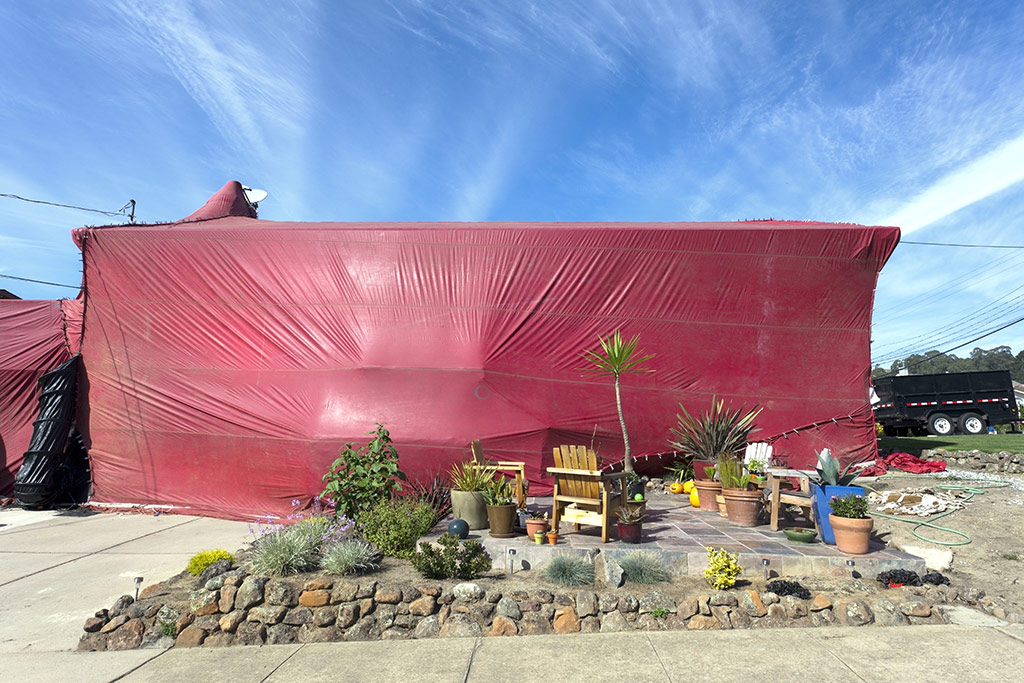
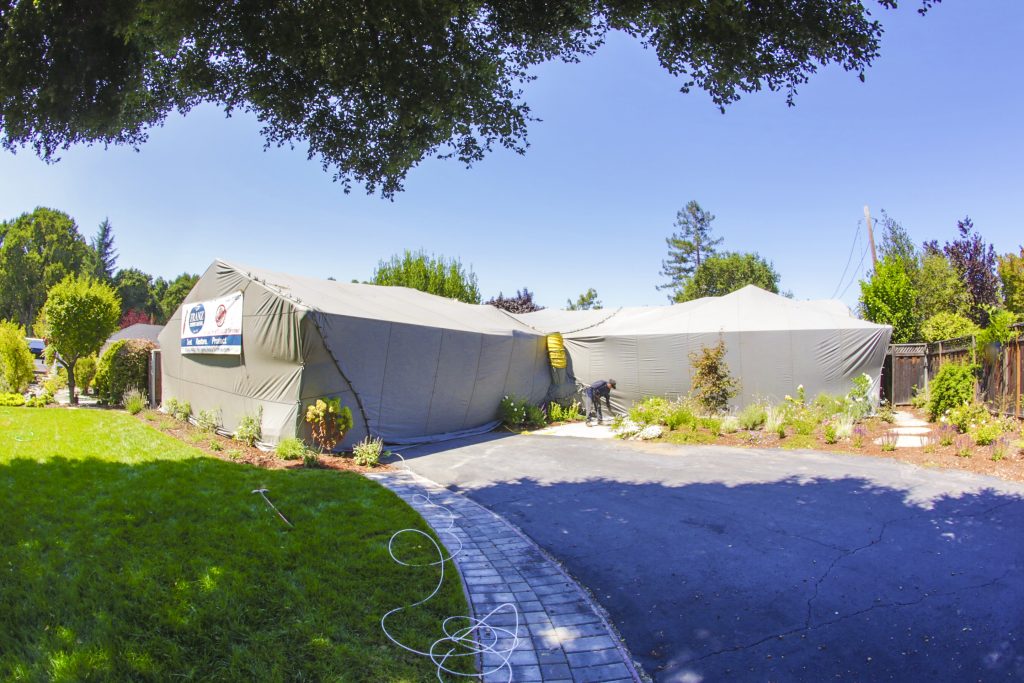
You’ve been told you have drywood termites and your house needs termite fumigation. You’ve seen the huge tents. It looks scary. It sounds like a nightmare.
Take a breath. It’s a lot less stressful than you think.
In the United States alone, termites cause over $5 billion in damage every year.
Suspect you have termites in the Bay Area? Contact us for an inspection and consultation.
It’s Safe: Your home won’t be toxic. The fumigant gas leaves no residue.
It’s Fast: The whole process usually takes just 2½ days.
It’s Effective: Drywood termites are completely eliminated, guaranteed.
It’s Proven: Since 1971, Franz Termite Control has helped over 10,000 Bay Area homeowners – from Redwood City to Palo Alto to San Jose – protect their homes.
Feeling better already? Good. Now let’s walk through exactly how to prepare for termite tenting.
Think of prep like packing for a weekend trip, but with a couple extra steps.
Here’s what to do before the tent goes up:
1. Gas Service Shut Off
Our team coordinates the shut-off with PG&E.
You’ll need to schedule an appointment with PG&E to restore service and relight the pilot lights. This needs to be requested at least 48 hours in advance. 72 hours is optimal.
You can use the following email to request the appointment or call 1-877-660-6789 (residential) or 1-800-468-4743 (non-residential):
Typical appointment times are in four hour blocks.
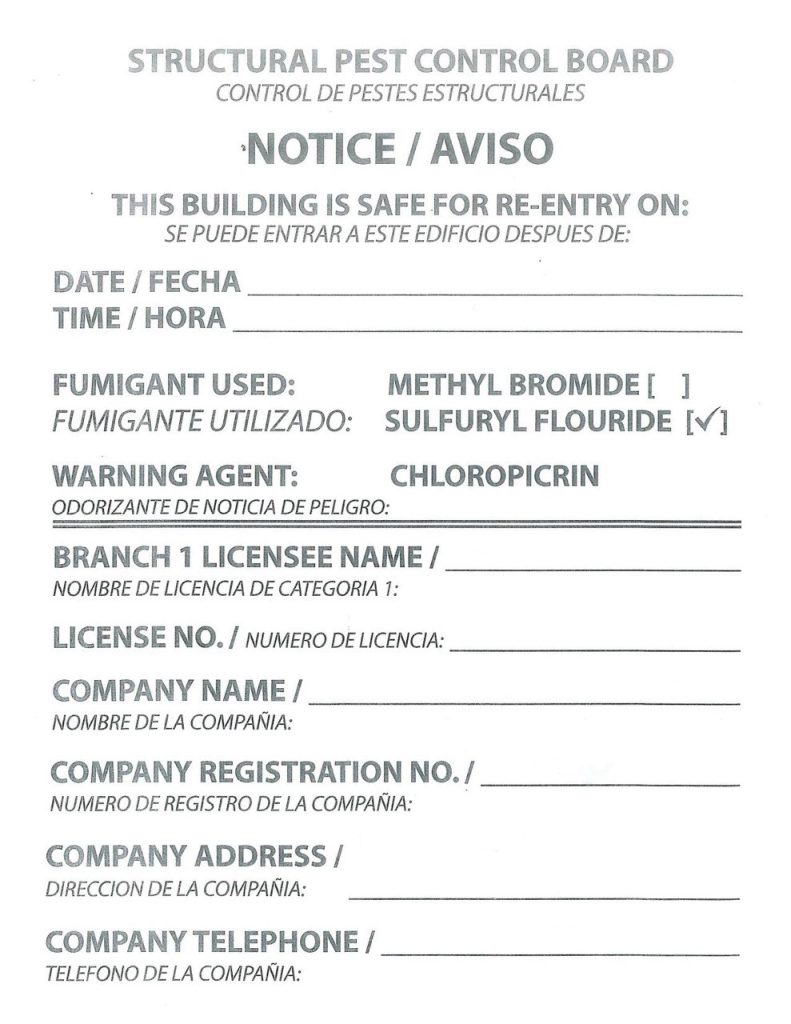
The Notice of Re-entry must be posted before PG&E will turn your service back on. We may not be cleared to post the notice until late on the day that fumigation is scheduled to complete so we recommend requesting the appointment at 5 PM or later. Leave some time between when the notice should be posted, and your PG&E appointment.
Example of termite fumigation notice for re-entry.
2. Accommodations
Everyone (people, pets, and even fish tanks) must leave for about 2½ days.
Plan to stay with family, friends, or a hotel.
Don’t forget houseplants. Remove or store them outside the home away from the perimeter of the buildings being fumigated.
Fumigation preparation includes: leaving your home for 2-3 nights, moving plants out of and away from the perimeter of the home, among other special considerations (like fish tanks). Image source: freepik
Special note: A giant, immovable fish tank poses a unique challenge during termite fumigation. To protect your fish, contact your fumigation company immediately to discuss solutions, such as sealing the tank with gas-resistant materials or relocating the fish to a temporary tank off-site.
3. Notify Neighbors
Notify neighbors of the fumigation date to ensure their pets and loved ones are safe from entering the tented home. Cats, for example, are important to consider as they cannot detect the smell of the warning agent (chloropicrin, or tear gas, is used as a protective warning agent since the Vikane® Gas Fumigant is odorless and colorless).
Furry friends: notify your neighbors ahead of time, especially those with cats. Image source: freepik
4. Food, Pet Food, & Consumables
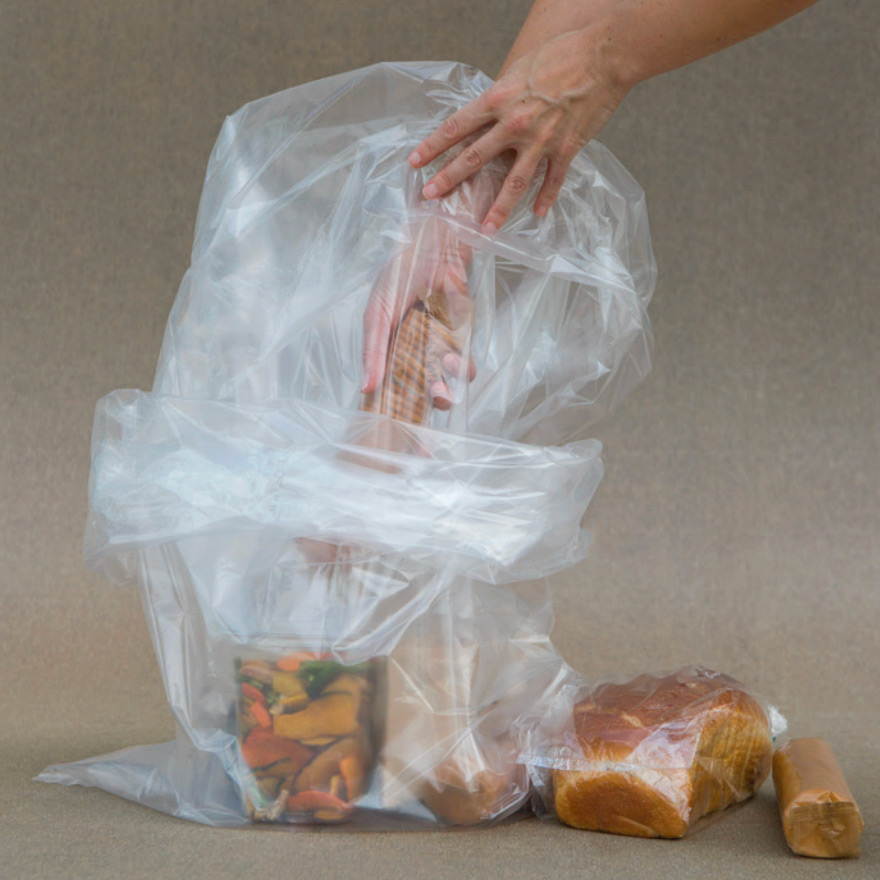
We provide up to 20 Nylofume bags at no charge (some companies charge extra).
Items must be double-bagged (one Nylofume bag inside another) to ensure protection from gas. You can typically fit:
About 20-30 liters of items when double-bagged, leaving clearance at the top for twisting and sealing with tape or ties.
Example: A double-bagged Nylofume can hold roughly 5-10 medium-sized food containers, a couple of medicine bottles, or a small stack of packaged snacks, depending on their shape and size.
Bag or remove the following:
Any food, snacks, bread, cereal, pasta, rice, chips, cookies, crackers.
Pet food and animal feed in bags/boxes.
Fruits, vegetables, eggs, and produce.
Medicine, vitamins, supplements, and tobacco products (unless in airtight original seal).
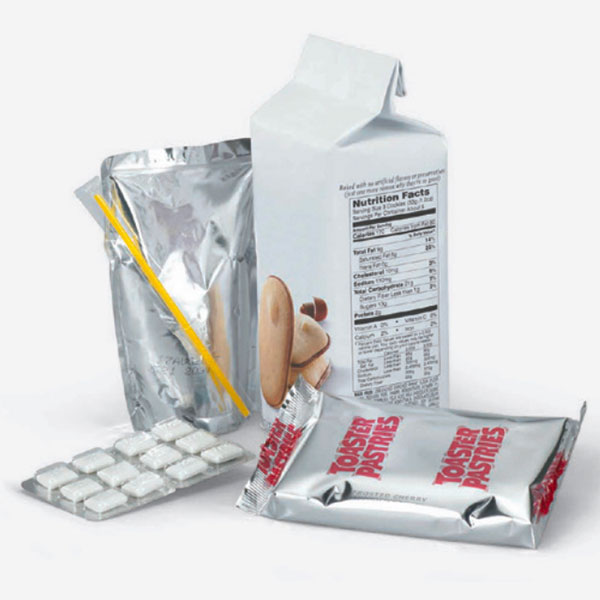
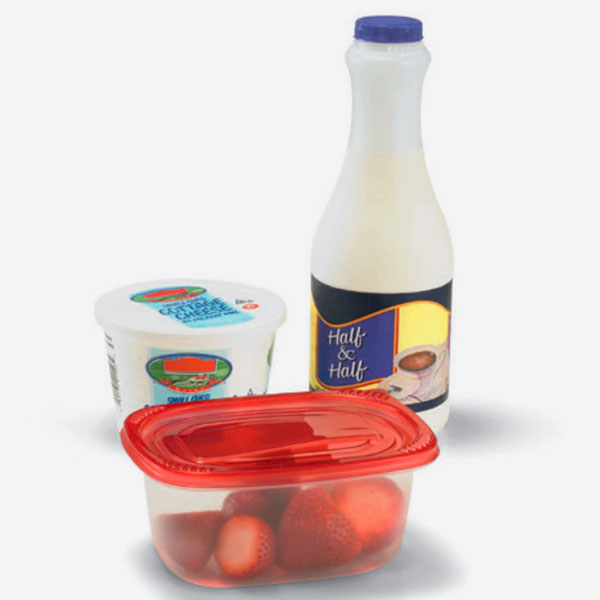
Beverages or foods in resealable or foil-lined packaging (milk cartons, juice boxes, blister packs).
Wine/liquor bottles with corks. Note that bottles stored horizontally so the liquid is touching the cork will not be affected. The gas cannot penetrate liquids.
No Need to Bag or Remove:
Unopened cans, jars, bottles with airtight seals (soda, beer, wine bottles with screw tops).
Cosmetics, lotions, soaps, toothpaste, and shampoos.
Ice cubes and water.
Special note: Try to hold off on stocking up before your fumigation. The less food you have, the less you’ll need to bag or take out of the house. Cold and frozen items can stay in your fridge or freezer as long as they’re sealed in Nylofume bags. For easier stacking, you may want to pull out a few shelves.
And remember: Nylofume bags are only for food, medicine, and similar items.
How to Bag Food Items for Fumigation
Always double-bag items using Nylofume bags.
Place one bag inside another.
Fill the inner bag (don’t overfill).
Twist and fold the top once, securing with tape or a twist tie.
Repeat for the outer bag.
Test for leaks by gently pressing the bag — no air should escape.
5. Interior Prep
Open all cabinets, drawers, and closets so the fumigant can circulate.
Leave interior doors open, including closets and attic hatches.
Mattresses typically stay in place. However, you must remove any plastic covers or protectors from mattresses (they block the gas circulation). Baby mattresses will typically have these plastic covers. If you are unsure, just check with your fumigator for proper instructions.
Unplug sensitive electronics if you want, but most items (TVs, computers, furniture, clothing, dishes) can safely stay inside.
Fumigation Prep in the Kitchen: Open all cabinets, drawers, and closets so the fumigant can circulate
6. Exterior Prep
Trim back trees, shrubs, or vines at least 12 inches from the structure. It should be enough space for our operators to be able to walk around the entire structure to install the tent.
Move potted plants, firewood, and anything leaning against the house about 2-3 feet away from structure so they do not go under the tent.
Disconnect fences, trellises, or attached items that could interfere with the tent seal.
Rake back mulch, gravel, or ivy within a foot of the foundation.
Remove or retract satellite dishes, antennas, or weather vanes.
Move cars/vehicles away from the structure to allow space for tarping. Vehicles may remain in the garage but must be left unlocked – both doors and trunk.
Retract awnings.
Water the Soil: Grab a hose and dampen the soil 18 inches around your home’s foundation 2-3 days before the fumigation. Water the soil again the day before fumigation next to the foundation. This compacts the dirt, helping the tarp seal tightly to trap the gas more effectively. It also protects your plants from the fumigant, so your yard stays happy.
Exterior Prep: Trim back trees, shrubs, or vines at least 12 inches from the structure.
How Much Time You’ll Need to Prepare
It typically takes several hours, depending on the size of the property and the extent of preparation needed. But make sure you understand everything you’ll need to do and give yourself more than enough time to handle all the prep.
Larger homes with more rooms, cabinets, and items take longer to prepare. Homes with more belongings require more time to organize or bag items.
Think of this as getting ready for a short trip. A little prep makes the process smooth and stress-free.
When fumigation day arrives, here’s what to do before the crew gets started:
Hand over access: Make sure your fumigator has a house key and knows the best way to reach you during the process.
Gas shut off: Double-check your appointment with the gas company for service restoration after fumigation.
Shut off other automations: Turn off sprinklers, automatic timers, A/C units, and any other electrical heating elements (heaters, computers, instruments, pet habitats, etc.).
Is Termite Tenting Safe?
When you come back, you’ll be able to breathe easy in a happy, healthy home:
The house has already beentested for safety using sensitive instruments. Before anyone is allowed back inside, a licensed fumigator uses specialized clearance meters to test the air. These instruments detect even tiny traces of the fumigant gas. Once readings confirm the air is completely safe, the house is cleared for re-entry.
Everything will be unlocked and ready to use – no need to wash, scrub, or deep clean.
You’ll have the peace of mind of knowing the drywood termites are truly gone, backed by a 3-year fumigation warranty.
Unlike sprays or liquids, the fumigant gas leaves no residue on your furniture, clothing, dishes, or countertops.
That means:
No laundry marathons. Bedding, clothes, and curtains are safe as-is.
No scrubbing down dishes or silverware. They don’t absorb fumigant gas.
No need to mop, shampoo carpets, or wipe every surface.
Of course, if you want to do a little freshening up for peace of mind, go for it, but it’s not required.
It’s totally understandable to feel uneasy about skipping a deep clean after termite fumigation. That nervousness comes from the invisible nature of the gas and the stakes of ensuring your home is safe, but rest assured, the post-fumigation testing process is designed to eliminate those worries.
The reason you don’t need to scrub down every surface is that the fumigant is a true gas, not a liquid or spray that sticks around. Once the fumigation is done and your home is properly aerated, it disperses completely, leaving no trace on bedding, dishes, or countertops. Our professional fumigators use precise tools to confirm gas levels drop below the EPA’s safe threshold of 1 ppm before you re-enter, ensuring your home is as safe as it was before.
Our sage advice: save the deep cleaning for spring. After fumigation, just unpack your bags, let the pets back in, and enjoy a home that’s truly termite-free.
Check out our timelapse video of a termite tent’s installation and removal.
Why Termite Tenting Is Necessary
Here in Palo Alto and across San Mateo and Santa Clara counties, we see two main culprits:
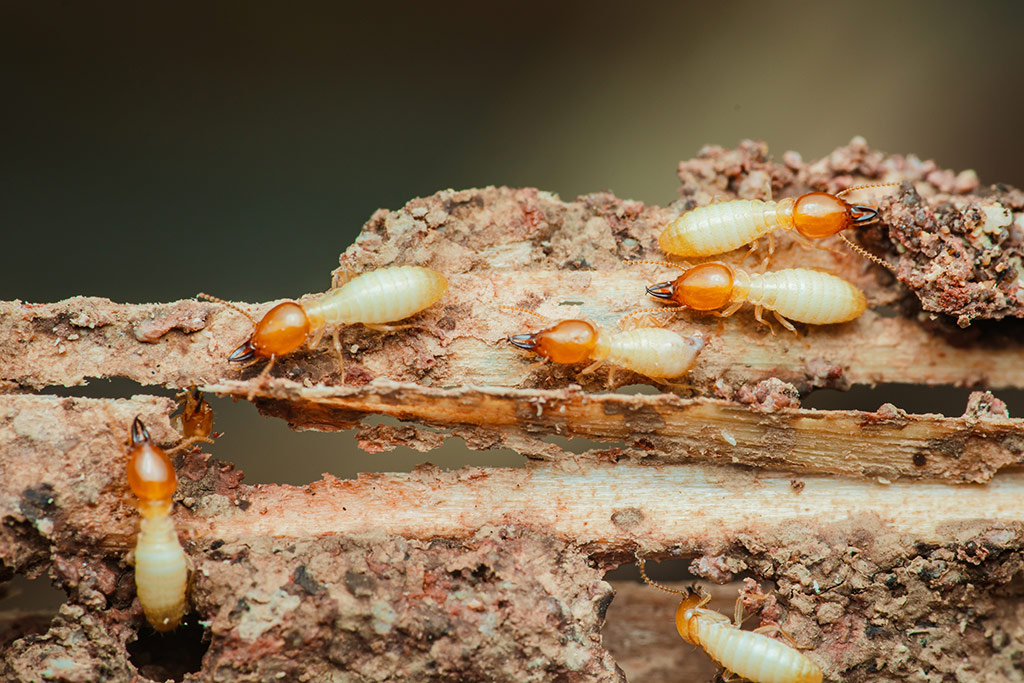
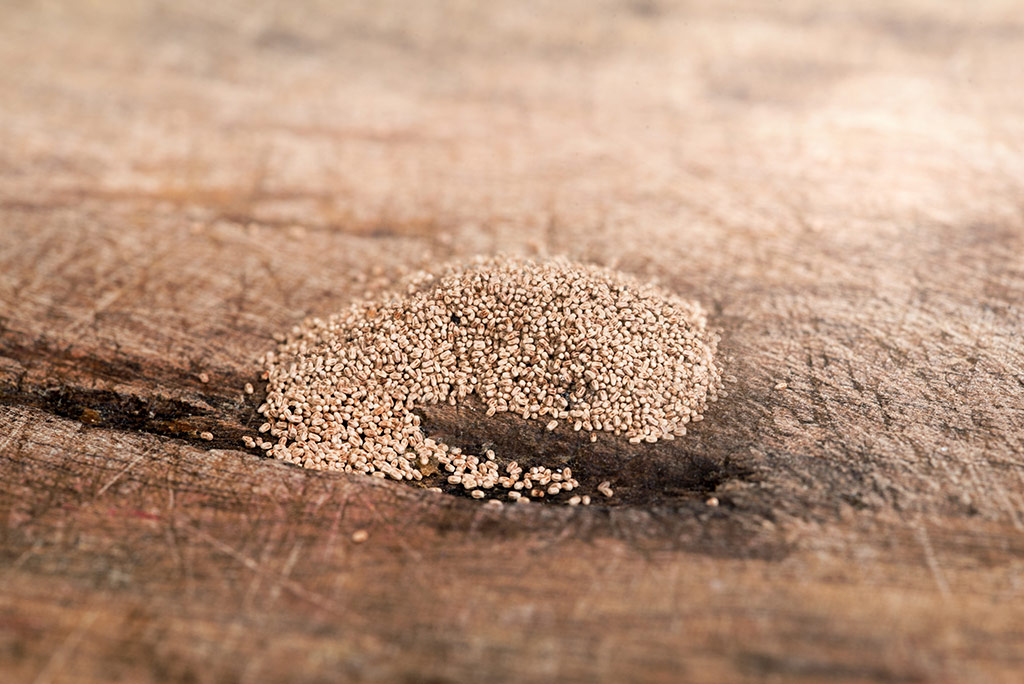
Drywood termites. These live inside the wood itself and can spread throughout beams, siding, and furniture. Fumigation is the gold-standard treatment because it penetrates every hidden gallery inside your home.It’s the only drywood termite treatment that is guaranteed to exterminate the entire colony of termites, unlike fumigation alternatives like heat treatments or orange oil.
Subterranean termites. These come up from the soil and are treated with soil injections. Tenting is not necessary, nor effective for this type of termite.
If you’ve been told your house needs “tenting,” that means drywood termites are the problem. Localized termite treatments can help in minor cases, but fumigation is the only way to eliminate an infestation across the entire structure. Think of it as hitting the reset button on your home.
And you’re not alone. Drywood termites are a big problem. Around 100,000 homes get tented for fumigation in California every year. Tenting is the go-to solution for serious infestations because it’s so effective.
Termite Fumigation Timeline: What to Expect
Here’s how a typical fumigation plays out from your first call to completion:
Inspection. A licensed inspector confirms the presence and type of termites and recommends the right treatment.
Scheduling. You’ll pick dates that work for your family.
Tenting. The house is covered with a large tarp, sealed, and fumigant is released inside.
Aeration. After enough time to kill all drywood termites, the tent is removed and the house is ventilated.
Clearance. Licensed professionals test the air to ensure it’s completely safe before anyone goes back inside.
If fumigation is started on a Monday, you can likely be back in your home by Wednesday evening. So pack a small bag, stay with friends, family, or a hotel, and you’ll be happy when you return to a termite-free home.
Why Choose Franz Termite Control?
We’ve helped Palo Alto families prepare their iconic Eichler homes for termite fumigation, restored historic mid-century properties in Redwood City, and treated spacious single-family homes in Sunnyvale and San Jose.
Here’s why Santa Clara and San Mateo County homeowners love us:
By the Numbers
We’ve got your back with 50+ Years Experience
Our expertise is unmatched with 10,000+ Bay Area Homes Treated
We’ve done 5,000+ Repair, Restoration, & Construction Projects
What sets us apart:
Family-Owned & Local. Founded by Franz Judas, now run by his son Michael, it’s a family business built on customer service, communication, and unmatched expertise.
Licensed for Repairs. Beyond fumigation, we’re licensed contractors who can repair decks, siding, foundations, and more.
Proven Methods. We follow every safety procedure and use the most effective solutions to make sure our treatments work.
Rock-solid Warranties. 3 years on fumigation, 5 years on repairs, and 1 year on localized treatments.
Local Expertise. We know Bay Area homes and the unique termite challenges they face.
Final Word: Termite Fumigation Doesn’t Have to Be Scary
Getting the news that your home needs to be tented can feel overwhelming. But with the right preparation – and the right company – it’s just a few days away from a home that’s safe, sound, and termite-free.
No, your house won’t be ruined.
No, you don’t have to scrub down every fork and surface.
And no, you won’t be breathing in poison afterward.
It’s just a temporary step to protect your biggest investment.
Contact us for a limited or full termite inspection.
Have you seen signs of drywood termites?
Contact us to see if fumigation is required.