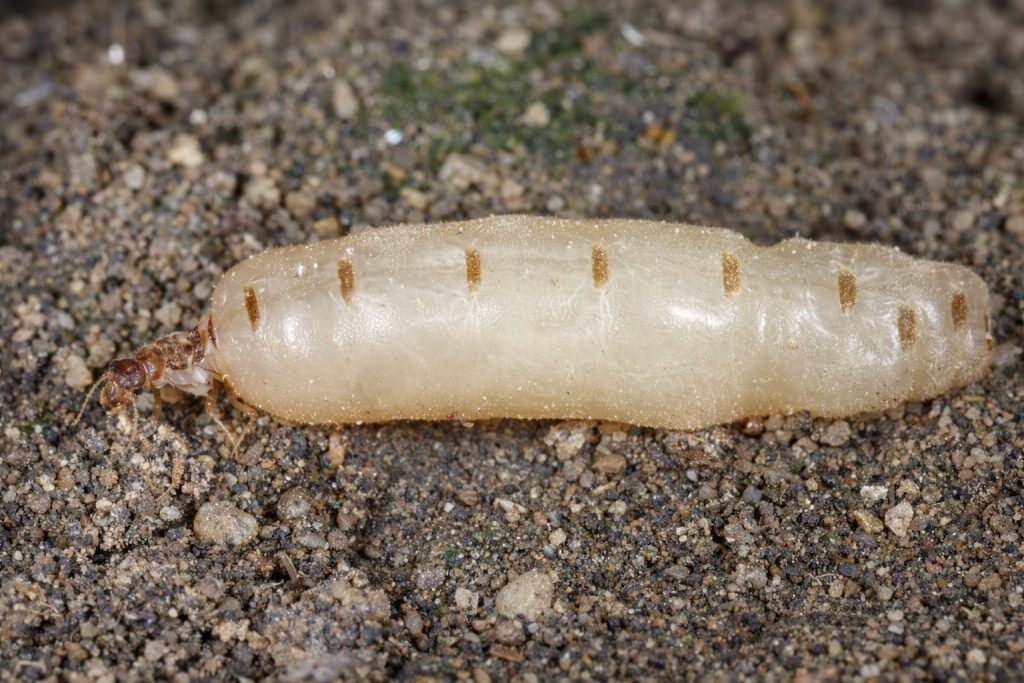
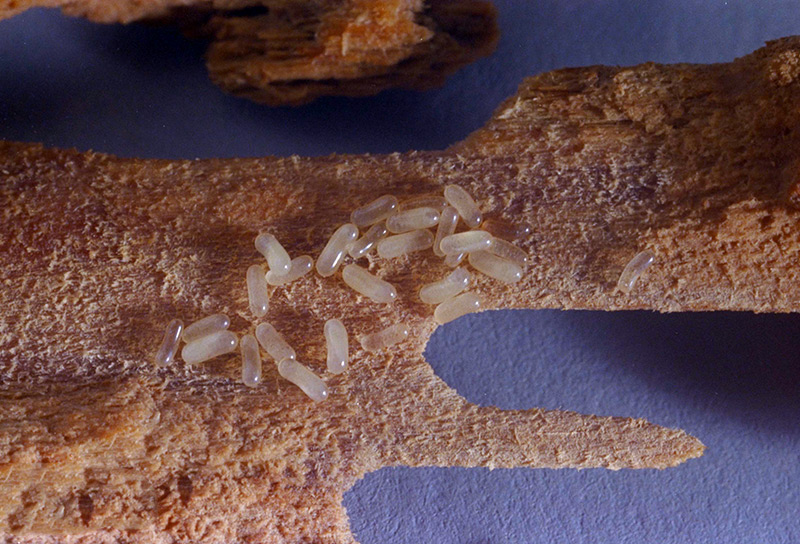
Termite Colonies: A Structured Society
Termites have been around for millions of years, evolving into efficient destroyers of wood. In the U.S. alone, they cause billions of dollars in damage annually. But here’s the key: not all termites are the same. Their colonies are divided into castes, each with unique jobs that keep the group thriving. This division of labor makes them resilient and dangerous. Let’s break it down step by step, starting with an overview of the caste system.
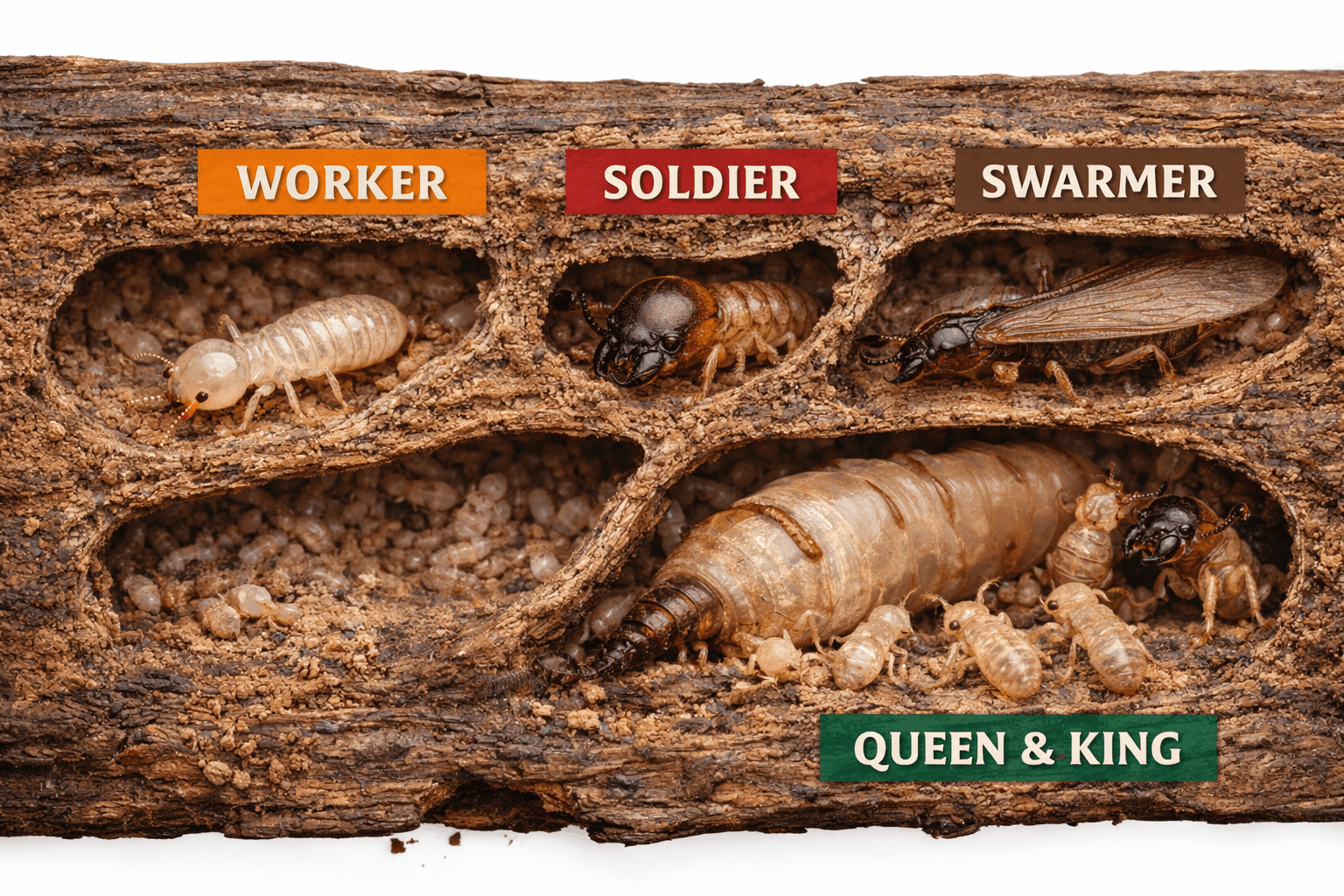
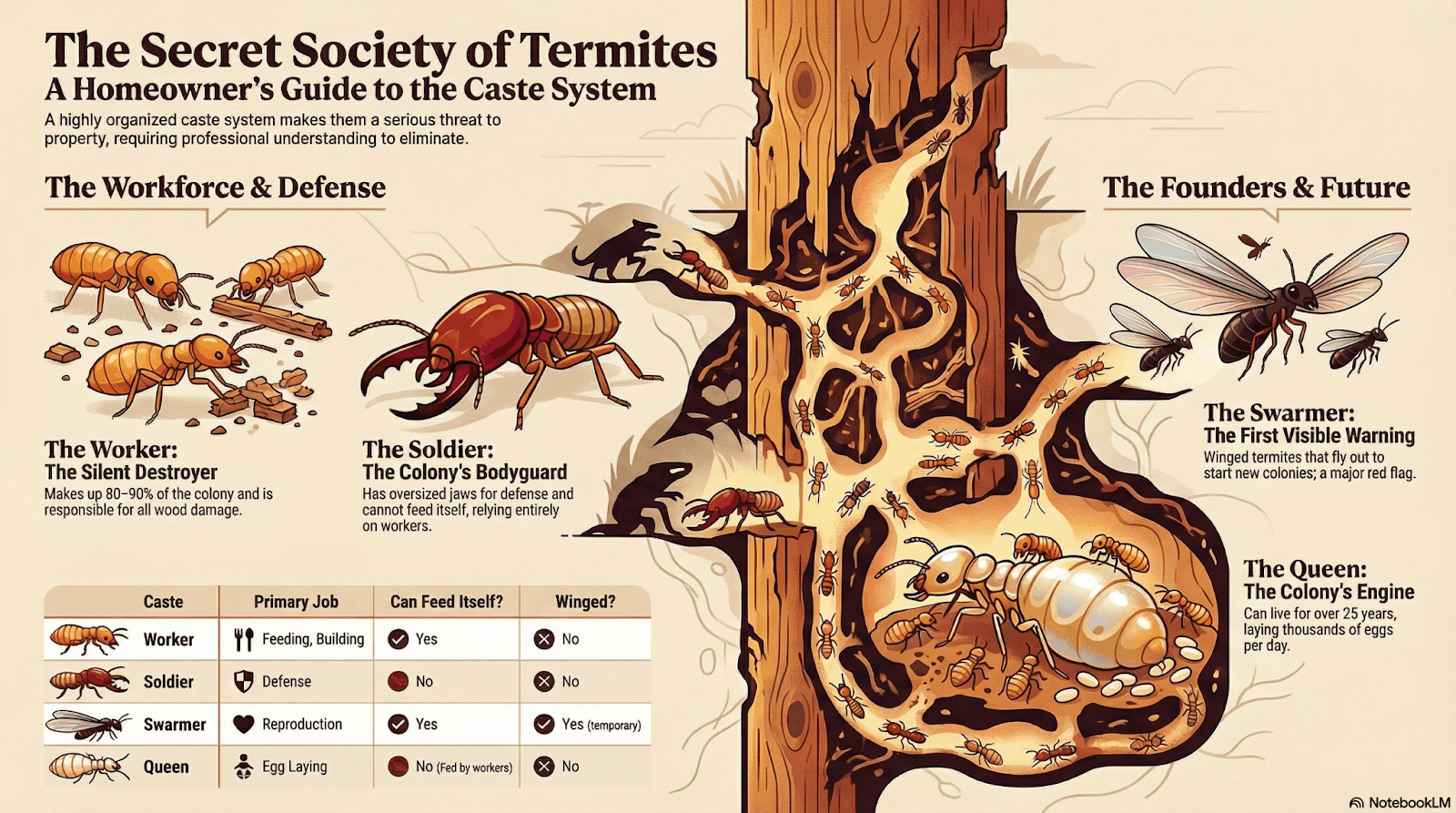
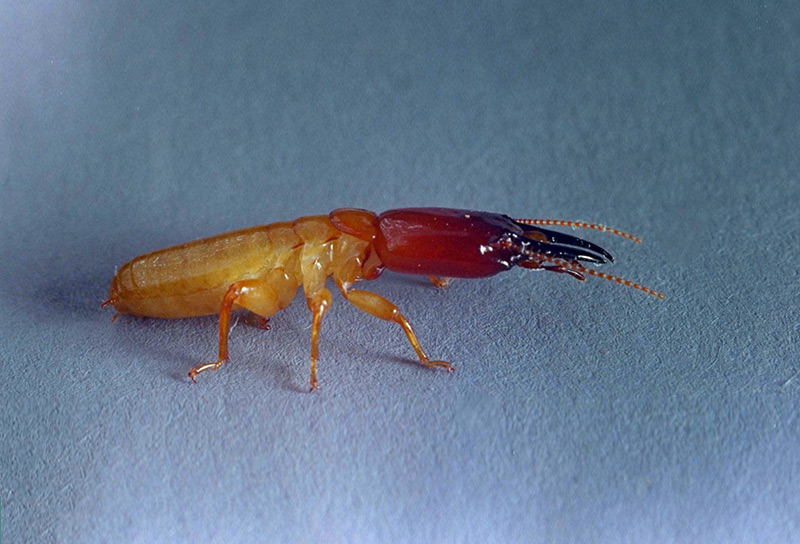
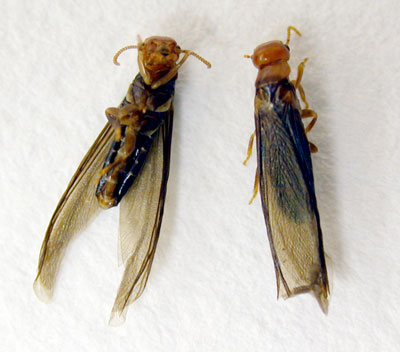
At their core, termite colonies are organized around three primary roles. Winged reproductive termites, often called swarmers or alates, are responsible for starting new colonies. Soldiers focus on defense, protecting the colony and its tunnel systems from threats. Workers handle nearly all of the activity that keeps the colony alive. This includes caring for eggs and young, gathering food, and building and maintaining the hidden tunnels that allow damage to spread unnoticed.
To understand how the caste system works, it helps to imagine a termite colony as a bustling underground city (or inside your walls, in the case of drywood termites). At the heart of it all is this system of specialized roles. While the exact setup can vary slightly depending on the termite species (subterranean, drywood, or dampwood), the core castes remain the same: workers, soldiers, and reproductives which include the queen and king.
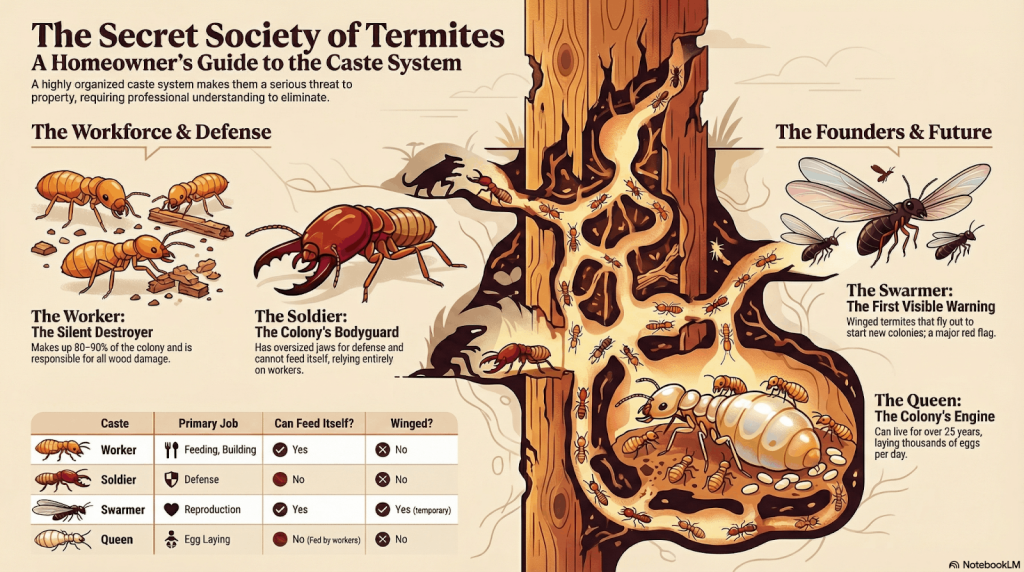
These roles aren’t random; they’re interdependent. Workers feed everyone, soldiers protect, swarmers spread the colony, and the royals ensure future generations. Without one caste, the whole colony could collapse. But in your home, that means a small sighting could point to a massive hidden problem.
Worker Termites: The Silent Destroyers
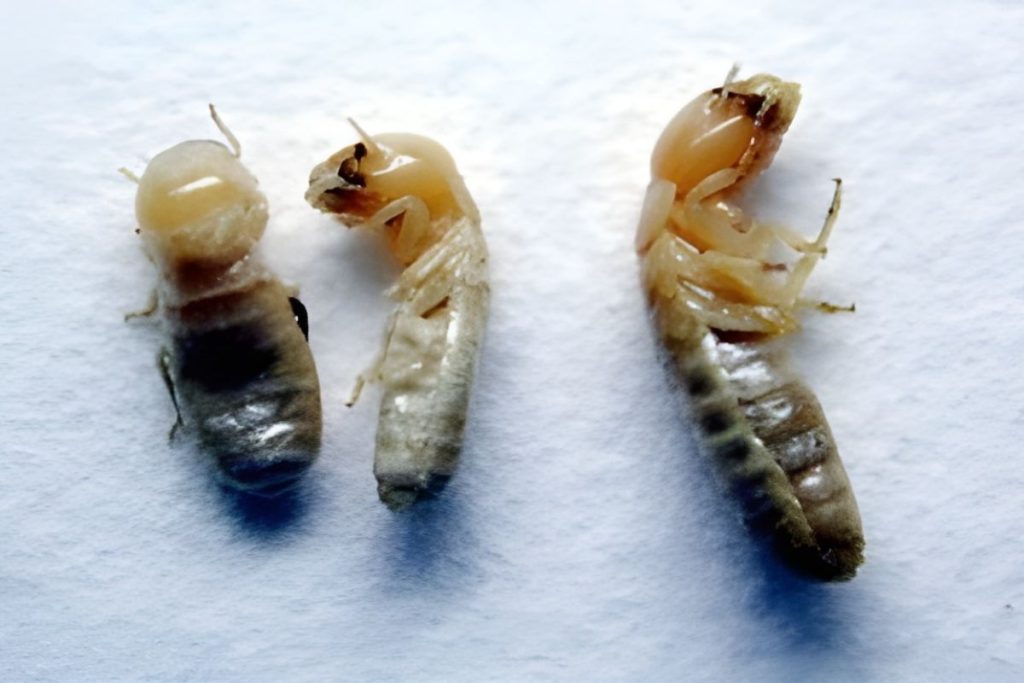
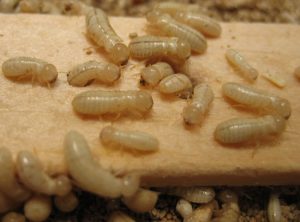
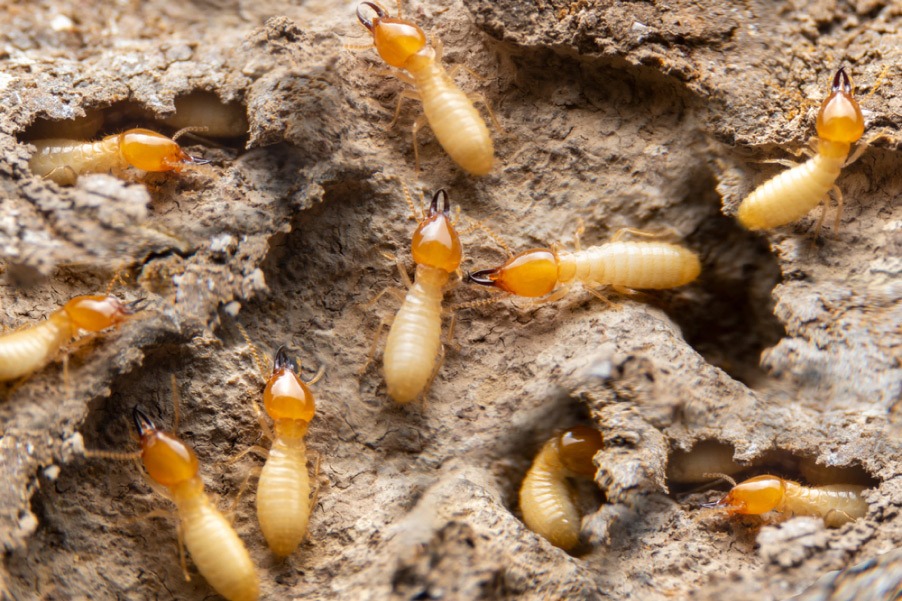
Drywood Termite Workers & Immatures
(Image: University of Arizona – Entomology)
The workers do the damage. Worker termites make up the majority of the colony (often 80-90 percent) and they’re constantly munching on wood around the clock.
Termites have special microbes in their guts that help them digest cellulose, the tough stuff in wood that most insects can’t break down. As they munch, they create tunnels and galleries inside beams, floors, and walls. They don’t just eat. They build and maintain the colony’s home, keeping humidity levels just right to prevent drying out. Workers also care for the young, feeding them regurgitated food and tending to eggs.
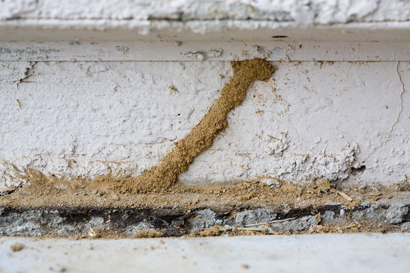
Why are they so dangerous? Well, by the time you notice sagging floors or crumbling drywall, the damage could be extensive and costly. Subterranean termite workers build mud tubes to travel from soil to your home, shielding themselves from light and air.
Understanding termite worker behavior is key because they are responsible for nearly all structural damage.
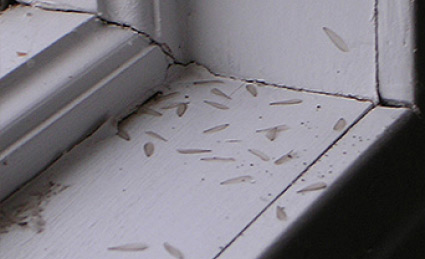
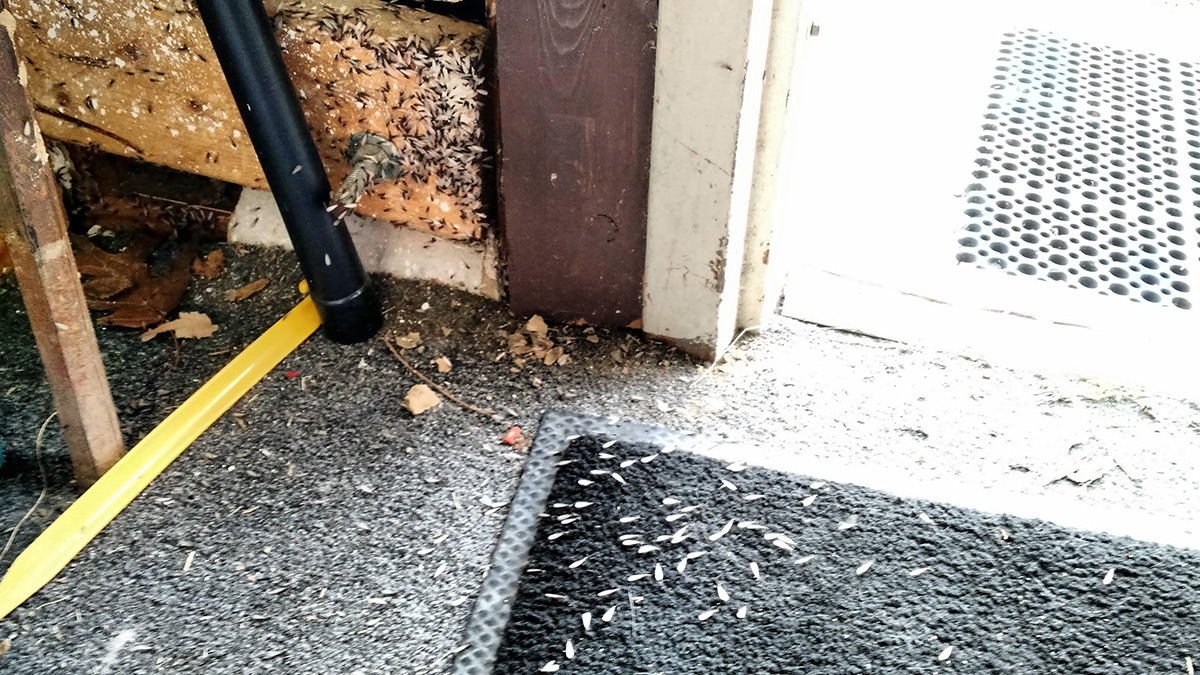
Subterranean Termite Mud Tubes & Wings on a Windowsill
(Image: NC State – Entomology Dept)
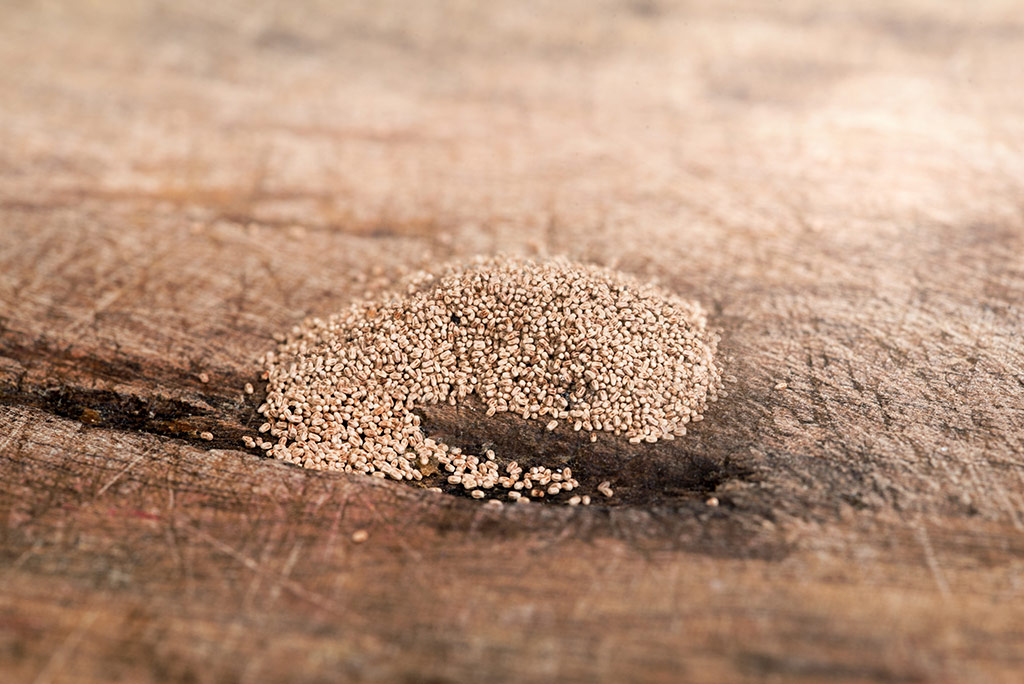
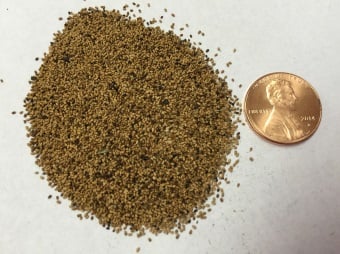
In drywood termites, there aren’t “true” workers. Instead, young termites called immatures or pseudergates handle the labor. These versatile youngsters can later morph into soldiers or swarmers if needed, making drywood colonies especially adaptable. If you’re facing an infestation, spotting worker activity like frass (termite droppings that look like sawdust) is a red flag that the colony is active and growing.
Drywood termite frass, indicating an active infestation